
Dr. Purcell on PMS
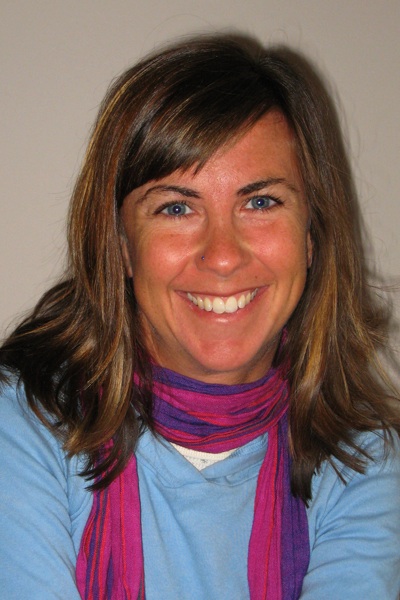
As announced in last Friday's newsletter, Jennifer Purcell, a Portland-based naturopathic physician and herbalist, will be posting monthly entries on GladRags Gab discussing a variety of women's health issues. Dr. Purcell's first topic is PMS. Get ready for some great thoughts on this prolific 'syndrome'. ~Diana
 PMS - a word so common to women these days as 85% of us experience at least one symptom per month. The average onset is 26 years of age and the symptoms are wide and varied. So much so that they are now classified by an increasing number of subtypes based on predominating symptom. But whether it is breast tenderness, bloating/distension, cramping spasms, migraines (and on a on) - it all leads to one thing - Imbalance.
This is where is gets tricky - finding where the balance lies.
Often the first place we investigate is the reproductive system itself. But if you are ovulating and bleeding monthly the problem may be elsewhere. A good place to look is the liver. The liver's job is multifactorial and it is one of the most important organs of the human body. In relation to PMS, it is a contributor in the production of hormones. The short version of the story - if your liver is strained or overworking, your hormonal balance could be disturbed.
Most common is an excess of estrogen in the body, but you can also have an insufficient supply of progesterone. An increase estrogen level has many causes. Below is a list of things that might surprise you that will often increase estrogen levels in the body.
* sunscreen lotions
* food preservatives
* weedkiller
* monomer for polycarbonate plastic and epoxy resin;
antioxidant in plasticizers
* insecticide
* DDT (insecticide)
* insecticide
* FD&C Red No. 3 - food dye often in candy, beauty products
* PCBs in electrical oils, lubricants, adhesives, paints
* parabens in lotions
* phenosulfothiazine - a red dye)
* plasticizers
As you can see we are inundated with estrogens from sources all around us.
Another common cause of PMS is increased inflammation anywhere in the body. You might not be aware that there is inflammation present but things such as food allergies, alcohol, caffeine, and trauma can all cause inflammation. Remember the symptoms of food allergies is extremely varied including bowel disruption, cold like symptoms, headaches, sore muscles/joints, skin rashes and breakouts. These are synonymous with inflammation.
Always consider emotional causes to PMS as well. Christine Northrup's book Women's Bodies, Women's Wisdom has good insight into this as it is often something that takes time to uncover and become clear about. A good practitioner, therapist, and/or flower essences can help with this process.
Other causes of PMS are inadequate fatty acid production, thyroid dysfunction, lead toxicity and nutritional deficiencies.
Below are some general treatment suggestions but if is best to establish a relationship with a trained professional who can support and educate you through the healing process.
Dietary Suggestions:
* Increase fiber to decrease estrogen 35-45 grams/day
* Eliminate food allergies
* Follow the Anti-inflammatory Guidelines of Food
(×copies available at The Herb Shoppe)
* Best to avoid sugar and refined foods
* Decrease salt to 3 grams per day
* Decrease caffeine and alcohol
Vitamins:
* B-6 - studies show it is successful at decreasing excess estrogen 2OO-4OOmg per day
(B vitamins are extremely important in our modern world and particularly for women and a healthy reproduction and nervous system.)
* Evening Primrose Oil helps for those with difficulty processing fatty acids
Botanicals:
* Vitex - long research and used as general hormonal balancer.
* Dong Quai, False Unicorn Root, and Angelica - Uterine tonics
* Crampbark, Valerian - Smooth muscle relaxants
(×More information about these and other herbals are available at The Herb Shoppe)
Exercise....so important for balanced hormonal function! Six months of jogging (averaging less than two miles per day) was reported to lower breast tenderness, fluid retention, depression, and stress in a group of women with PMS. Nutritionally oriented doctors frequently recommend regular exercise as a way to reduce symptoms. So pick your poison and move a little bit each and every day.
Until next time - be well and be happy.
Dr. J. Pursell ND, L.Ac, C.Herbalist
Jennifer Pursell is a clinical trained and board certified Naturopathic physician. Her practice is rooted in the belief that with patience, one can find the cause of dis-ease and encourage the body to heal. As a certified herbalist she often utilizes botanical medicine, but includes many other modalities such as hydrotherapy, homeopathy, nutrition therapy and cranio-sacral therapy. She is also a licensed Acupuncturist and when these therapies are used together, a well rounded treatment is created. Her focus is whole family medicine, specializing in women's health, pediatrics and oncology. As the owner of The Herb Shoppe she is easily reached at 503-234-7801 or at the shoppe, 2410 East Burnside, PDX 97214.